07.20.26
| Downloadable


It takes a lot of science and a ton of organization to turn drawings and documents into commercial, civilian and military aircraft. It’s hard work—and it’s getting harder. Prices are rising. Supply chains are unpredictable. Maintaining safety is paramount.
At a time when OEMs are under great pressure to meet their obligations while preserving part quality and safety, strong supplier partnerships— including those with thermal processors—can change the game.
The pursuit of faster, lighter, more efficient aircraft has spurred the development of countless complex alloys. And for those alloys to perform as designed, equally complex heat treatments have emerged.
The development of these parts and the advanced heat treatments necessary for them to achieve superior mechanical properties have made precision critical at every point in the supply chain.
Aircrafts feature a wide variety of complex materials. Manufacturers must balance important design and material selection concerns to produce long-lasting parts at reasonable costs.
In a game of tradeoffs, the options are almost endless. Heat treaters play an important part in sorting through the choices to achieve the right balance of a diverse array of alloys.
Complex thermal processes have emerged to match the complexity of alloys developed in the pursuit of faster, lighter and more efficient aircraft.
Aluminum alloys have been crucial to aerospace material and design advances for decades. As production techniques have matured, aluminum alloys like 6061 helped make aircraft lighter and sturdier.
Today, modern aluminum alloys remain integral in some aerospace applications due to their high strength-to-weight ratio.
Common types include:
Titanium and titanium alloys are commonly used in critical aircraft applications where resistance to constant stress is necessary.
Ti6Al4V, a titanium formula containing aluminum and vanadium as alloying elements, is the most popular.
It’s known for its performance under constant severe motion in the cold sections of jet engines. Ti6Al4V is often specified for discs, ducts, turbine blades and bearing housings. Slight tweaks to the formula result in excellent performance in cryogenic temperatures. It’s also sometimes used to make fasteners.
Titanium performs well in many aerospace settings, but it’s not as widely used as many in the industry would like. That’s because the element is hard to mine and process. It may become more widely used as mining and processing techniques improve.
Nickel alloys are also lauded for their performance in high-stress service environments. They’re generally very resistant to corrosion, making them ideal for use in jet engine components in constant motion and subject to high heat and corrosive gases.
Nickel alloys are widely used in critical service environments due to their corrosion resistance and performance under high stress.
Common aerospace nickel alloys include:
Cobalt alloys such as L-605 exhibit good oxidation resistance and high strength at elevated temperatures. They’re commonly used in turbine rotors, nozzle diaphragm valves, springs, and other components.
Stainless steel alloys are among the most versatile in modern industry. From automotive to power generation to pharmaceutical applications and beyond, stainless steel alloys are widely specified for their excellent corrosion resistance.
The following stainless steel formulas are widely used in a broad range of aerospace settings:
Process control is crucial. In aerospace, there’s no room for error.
Many aerospace components sustain constant strain and motion and serve in extremely hot or cold environments. For parts like these, complex and precise heat treatments are necessary.
Vacuum furnaces are ideal for hardening and strengthening aerospace components for a couple of reasons:
Some projects come with specs that dictate the exact treatment parameters we must follow. Other orders specify treatments based on the properties parts must exhibit, and it’s up to us to develop the treatment that makes it happen. Either way, we rely on our experienced team of metallurgists and the industry’s most advanced equipment.
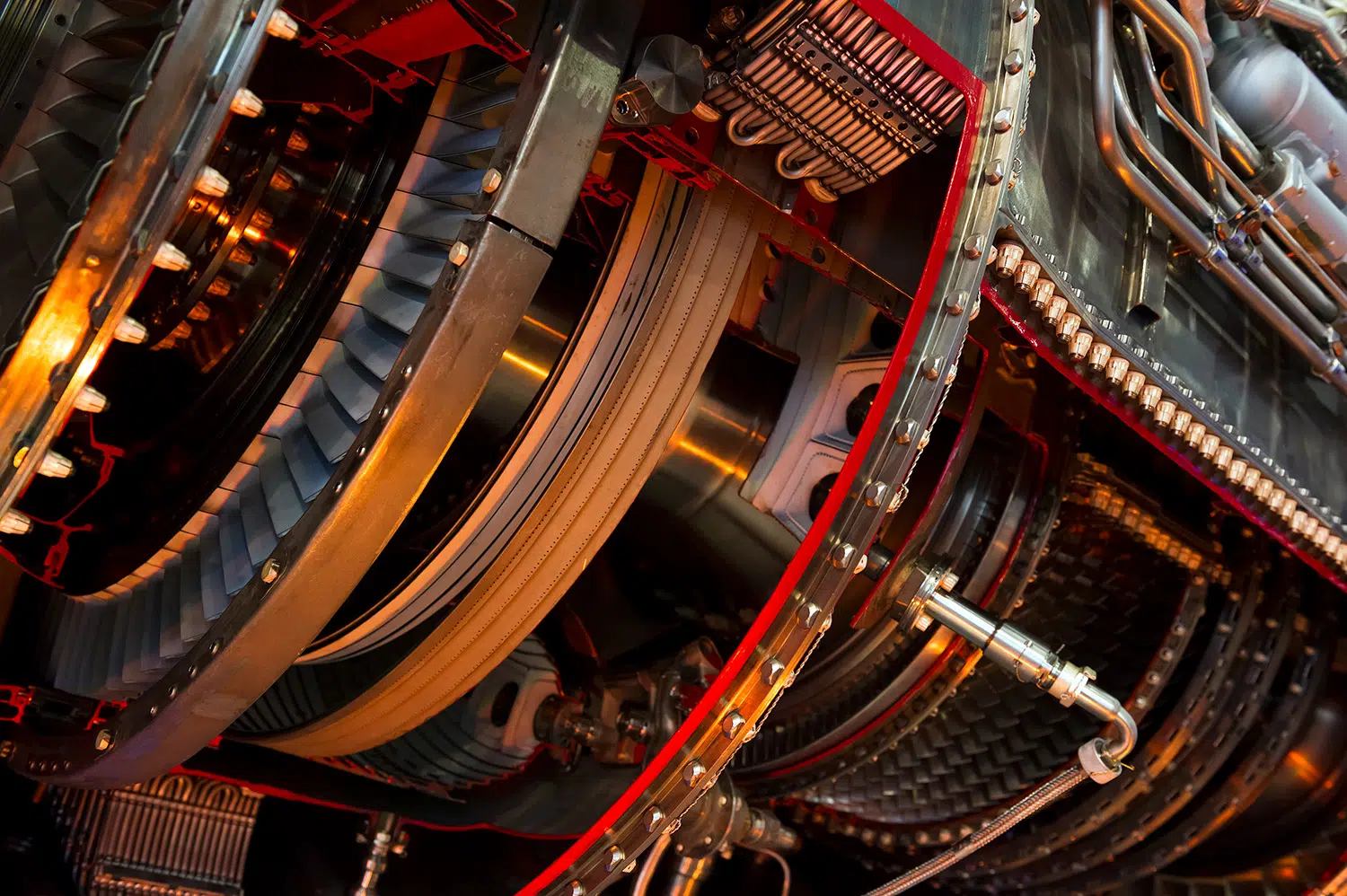
Vacuum furnaces operating in AST-Paulo’s Cleveland Division routinely execute complex day-long treatments that top 2,400 degrees Fahrenheit.
Our team of metallurgists can:
Earning and maintaining key certifications is just as important for aerospace thermal processors as understanding materials and metallurgy.
There’s more to thermal processing for the aerospace industry than an in-depth understanding of materials and metallurgy. Earning and maintaining key certifications is equally critical. Read on to learn about the industry’s most rigorous certification and the benefits of working with providers who’ve earned it.
Nadcap requirements are quite prescriptive. Other industry standards programs give suppliers varying amounts of leeway en route to achieving the benchmarks they set. Nadcap features no such liberty.
Nadcap-approved heat treaters must meet requirements regarding all aspects of their operation, including:
Nadcap starts as acrucial requirement and ends as a mutually beneficial asset.
Becoming a Nadcap-approved heat treater requires proving you have the equipment and processes in place to treat safety-critical aerospace and defense components. Keeping the certification is all about maintaining the mountain of documents showing you’re continually able to meet the strict requirements.
One of the industry’s most important quality assurance principles is first article inspection (FAI)—the systematic inspection of new parts to ensure they’ll perform as designed.
Aerospace, automotive, medical, and other industries all have FAI requirements. In general, these inspections entail thorough investigation of parts pulled from the first-ever batch to verify that:
In the aerospace industry, SAE AS9102 standardizes the documentation that industry suppliers must provide to meet OEMs’ FAI requirements.
Because heat treatment of aerospace components is so critical to their end use, heat treatment documentation for FAI parts is quite extensive. Every aspect of heat treatment is documented, including:
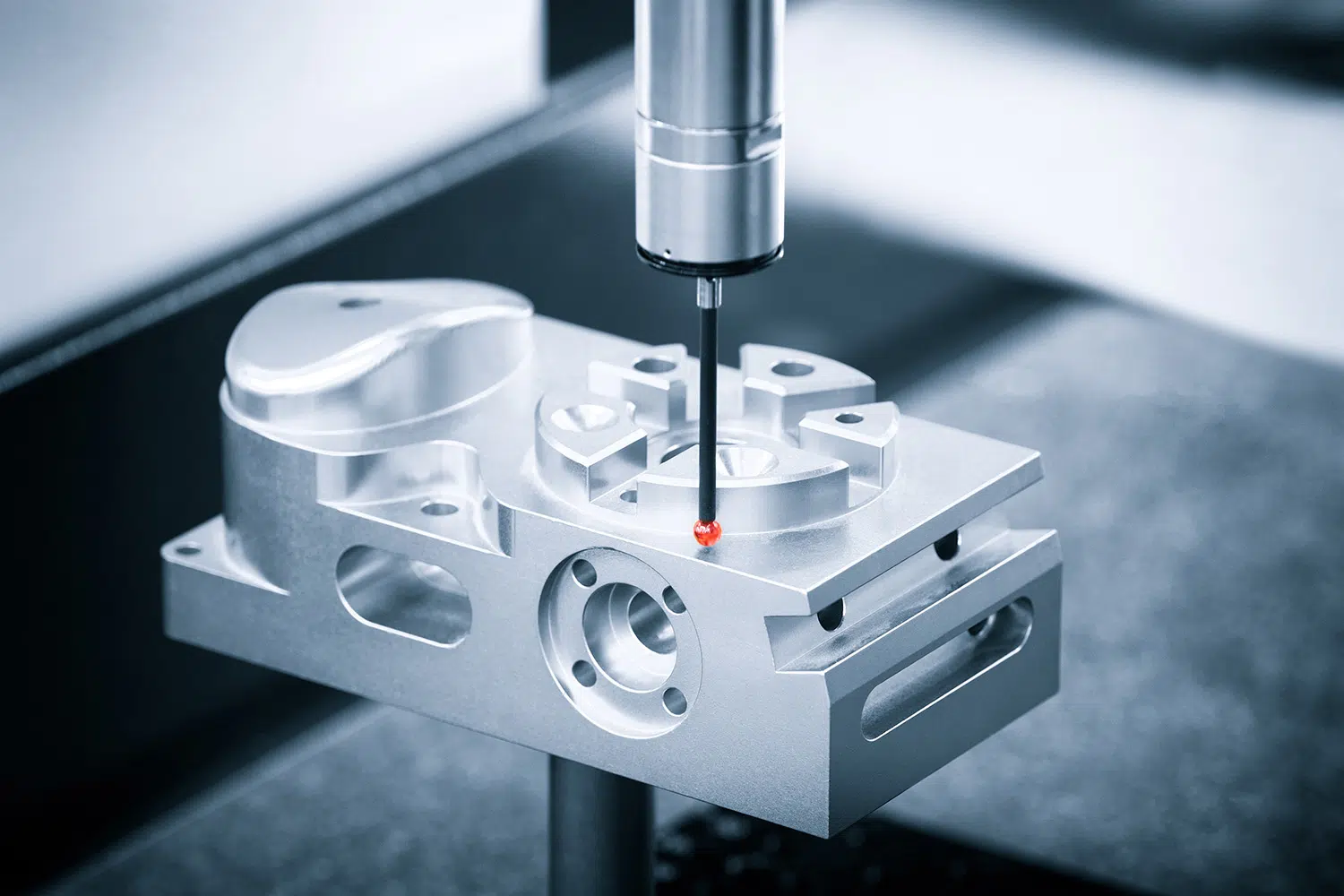
That last point is extremely important. Heat treatment almost always distorts parts—it’s the price that comes with enhancing mechanical properties. First article inspections help heat treaters and customers determine whether specified processes will result in acceptable amounts of distortion or if design, material, manufacturing and processing specs need to change.
When it comes to managing quality for aerospace components, every detail must be documented and scrutinized. Nothing can be left unplanned.
At AST-Paulo, our cross-functional team applies its heat treatment expertise to the information we gather about part design, material and manufacturing. This intensive review allows us to flag potential problems earlier in the process and, when possible, recommend upstream tweaks that will result in parts that pass inspection.
Our advanced process tracking system ensures nothing slips through the cracks by recording process information in real time and alerting operators if furnace conditions such as pyrometry slip outside of the tolerances defined in treatment specs.
Together, with a team of expert metallurgists and advanced equipment, we provide heat treatments that are successful and highly repeatable.
Ready to make your heat treating more precise and repeatable? Partner with AST-Paulo on your next project.
 English
  Español de México